Where Light Becomes Structure
Venice does not reveal itself all at once. It suggests.
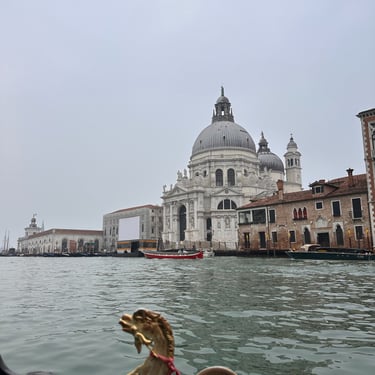
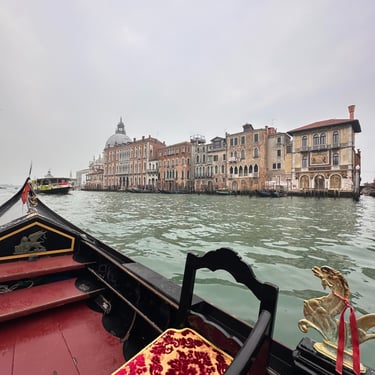
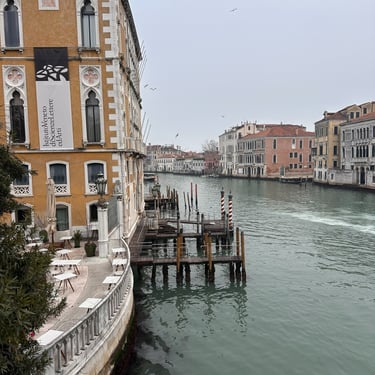
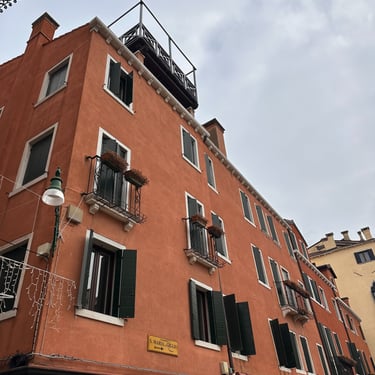
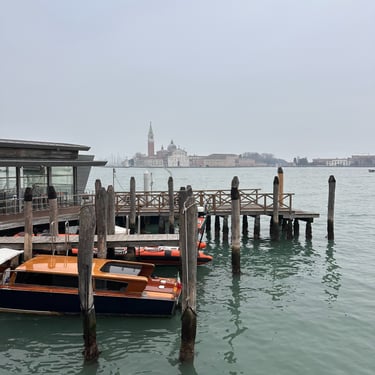
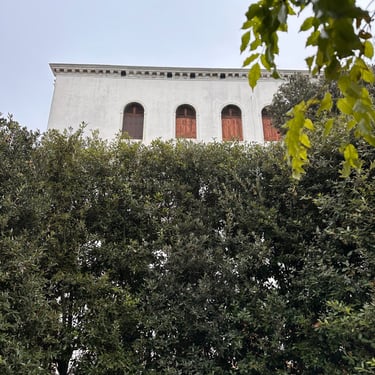
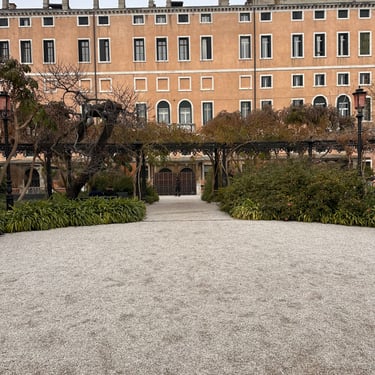
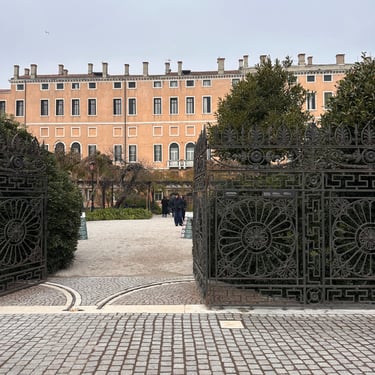
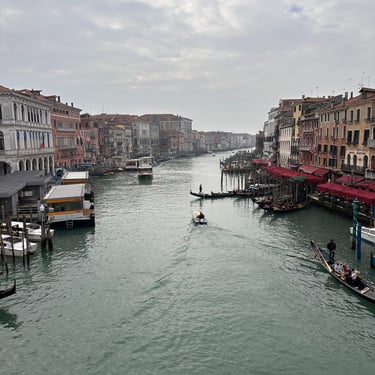
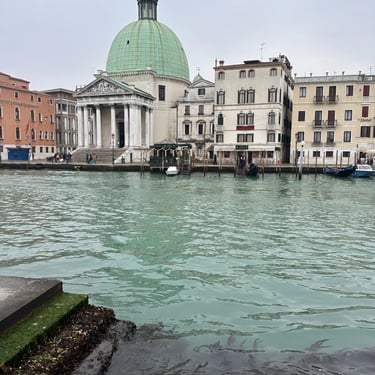
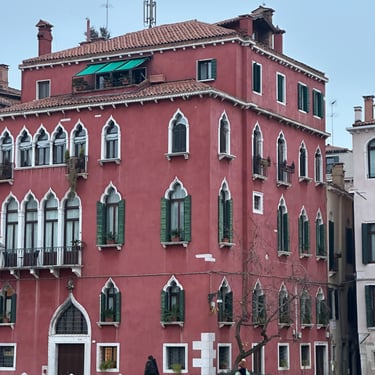
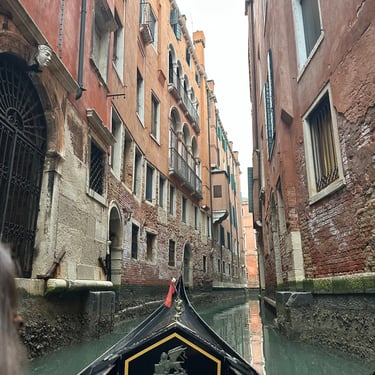
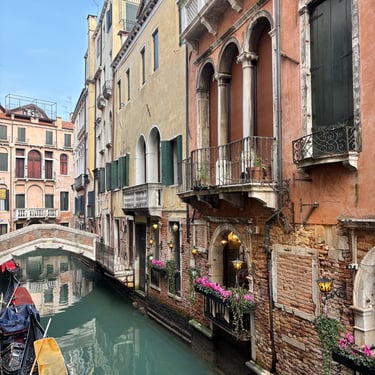
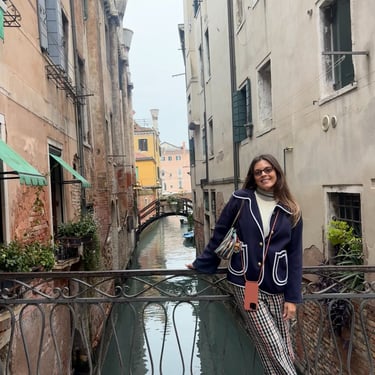
First comes the water. That milky green surface that is neither sea nor river, but a breathing body that holds everything in place. Then the facades appear, in colors that feel chosen by time rather than by men. Soft terracottas, faded rose, ochres that have learned restraint. The architecture here is not only construction. It is endurance. Each pointed arch, each white stone frame around a window, each column that carries echoes of the East and the Renaissance speaks of a city born from crossings.
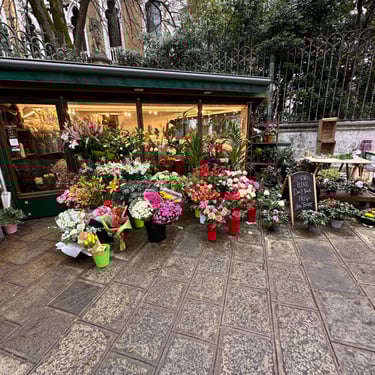
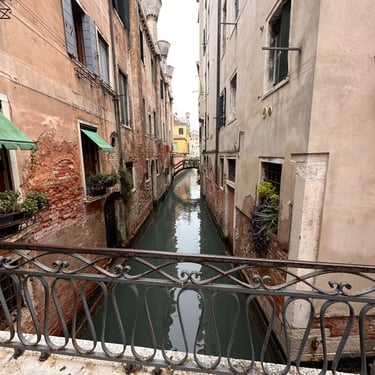
Walking through a narrow alley and suddenly meeting a silent canal feels like stepping through a seam in reality. Exposed bricks beneath worn plaster, tide marks at the base of buildings, small balconies insisting on flowers. Nothing is overly polished. Everything is inhabited.
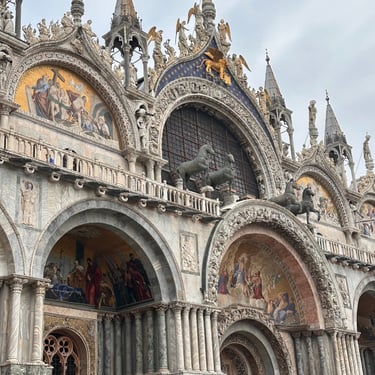
At Saint Mark’s, the basilica is almost a vision. Gold mosaics, bronze horses, ornament layered upon ornament. Venice never chose simplicity. It chose dialogue. Byzantine, Gothic, mercantile wealth, all suspended in stone.
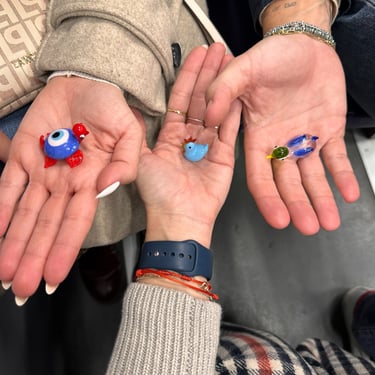
And then there is Murano. Glass that looks like frozen water, shaped by breath and precise movement. Murano pieces are not decorative objects. They are light made tangible. Transparency holding color inside it. I kept thinking about how this relationship with light can inform my work. How material can receive light and return it transformed. Perhaps through translucency, layering, surfaces that allow passage rather than block it. In Hampstead the natural light defined volume. Here light passes through and becomes part of the structure itself.
Even the city’s foundations speak this language. Beneath the palaces and churches lie thousands of wooden piles driven into the lagoon centuries ago. Submerged, deprived of oxygen, they harden over time, becoming denser, stronger, more enduring than concrete. A city resting on wood that grows more resistant as it sinks deeper into water. There is something profoundly architectural about that. Fragility becoming strength. Fluidity holding weight.
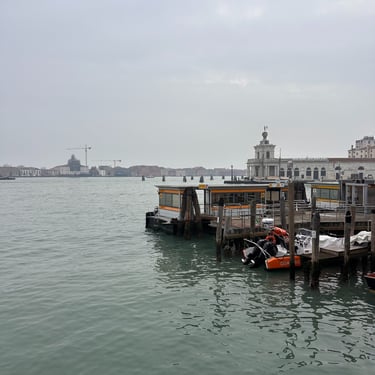
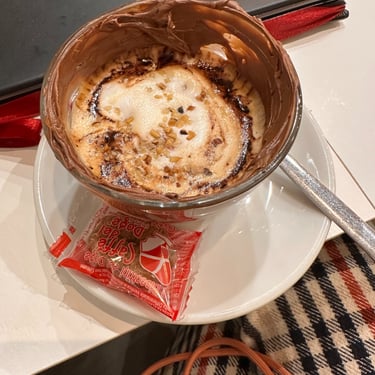
At Café Doge, a simple coffee arrives with a rim of chocolate and crushed cashew, a small ritual that feels entirely Venetian. Standing at the counter, watching the rhythm of the day unfold, it becomes clear that life here moves differently. People walk, pause for espresso, talk without urgency. The vaporetto comes and goes. The water rises and falls. Nothing is forced.
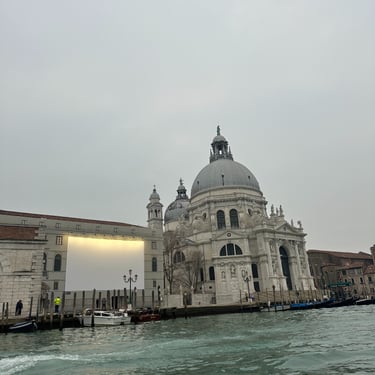
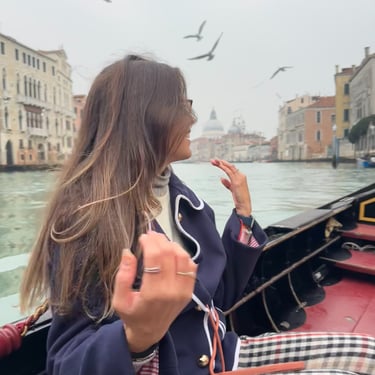
On the Grand Canal, gondolas glide as if rehearsed, reflections dissolving the line between city and surface. Venice knows it is image, and yet it remains home.
Perhaps the lesson is this. To build like Venice builds. On layers. On patience. On materials that transform with time. To allow light to pass through the work as Murano does. To trust that what rests on water can still be solid.