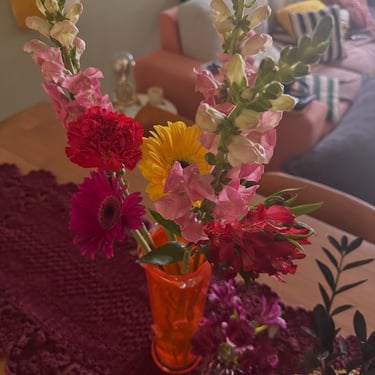
What flowers have taught me about composing spaces with intention
-
There is something quiet about arranging flowers.
It is never just about choosing what is beautiful.
It is about observing. Waiting. Allowing.
Flowers do not follow our sense of urgency.
Each one carries its own rhythm. The moment it opens. The way it holds itself. How long it lasts. And over time, this teaches far more than any strict compositional rule ever could.
Arranging begins before touching a single stem.
It begins in the choosing.
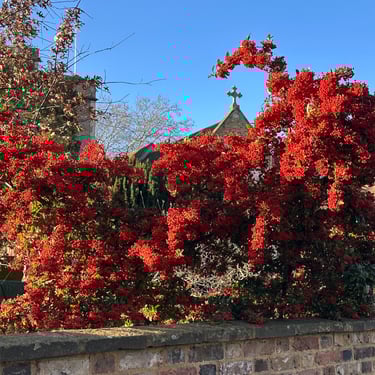
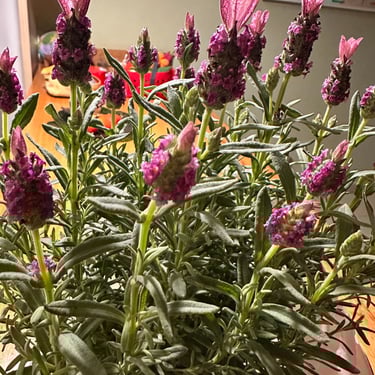
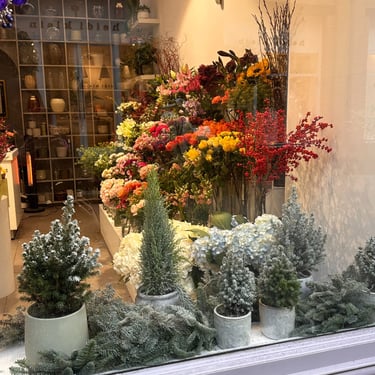
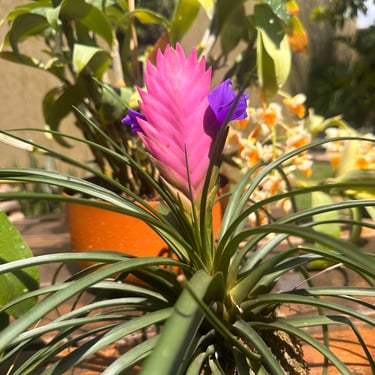
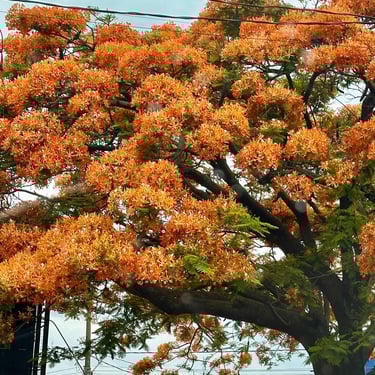
Seasonality changes everything. Not only what is available, but how colour presents itself. In colder months, tones tend to feel deeper, more muted. In warmer seasons, there is a certain lightness, colours open up, become more luminous. Climate directly affects texture, longevity and intensity.
Learning to respect that changes the outcome entirely.
Looking at these arrangements, there is something that always draws my attention.
They are not perfect in a rigid sense.
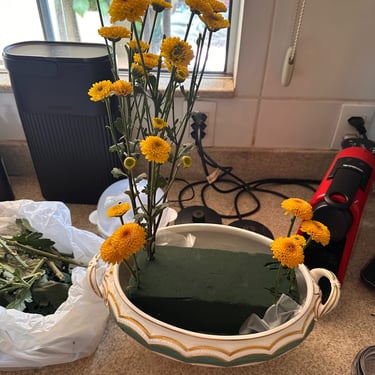
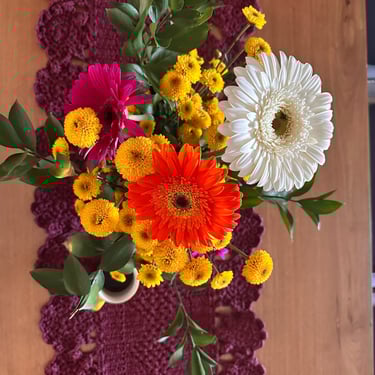
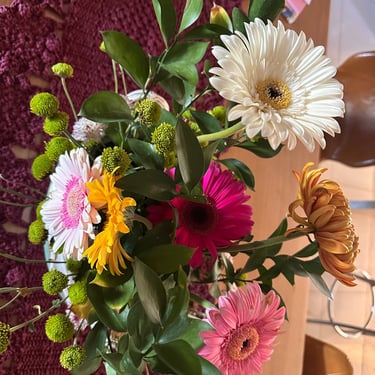
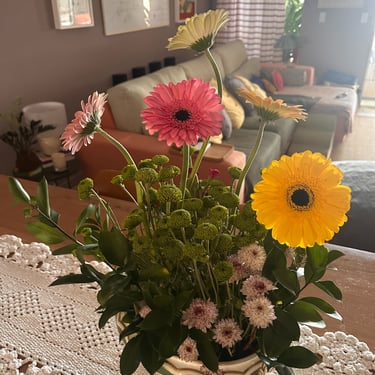
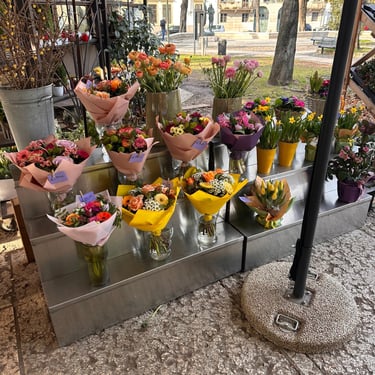
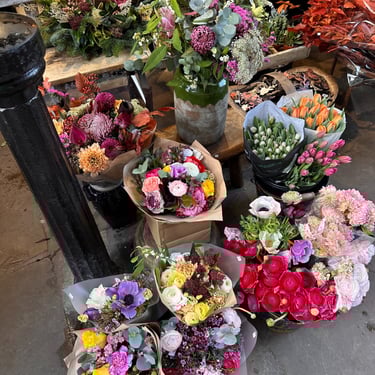
They lean. They overlap. They rise at different heights.
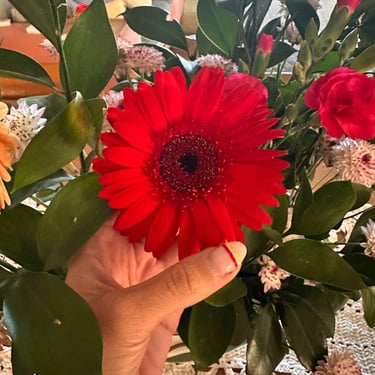
Some take the lead, others quietly support. There is contrast between delicate petals and more structured forms. Between long stems and compact volumes.
That is precisely where life begins to emerge.
The logic feels very close to interior design.
Balance is not symmetry.
It is intention.
Height creates movement.
Texture creates depth.
Colour creates emotion.
A floral composition can often be read as a painting.
Some resemble classical still lifes, where every element appears carefully placed, even when it feels effortless. Others lean towards something more contemporary, with bolder contrasts and unexpected combinations.
And all of it inevitably shapes the space around it.
Flowers have the ability to transform an environment without altering its architecture.
They introduce colour, scale, points of focus and, perhaps most importantly, a sense of life.
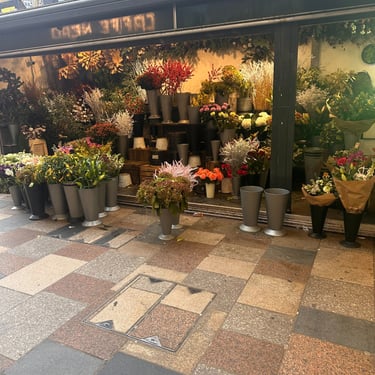
There is also something worth noticing in the way they are presented.
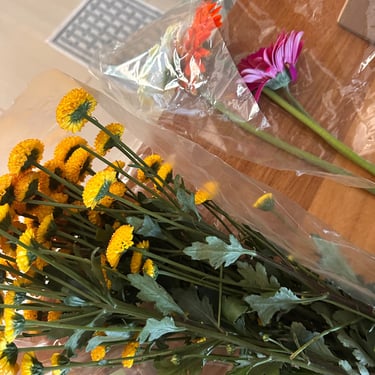
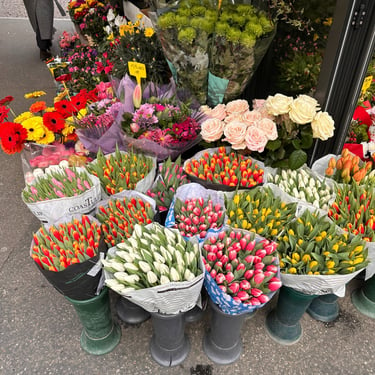
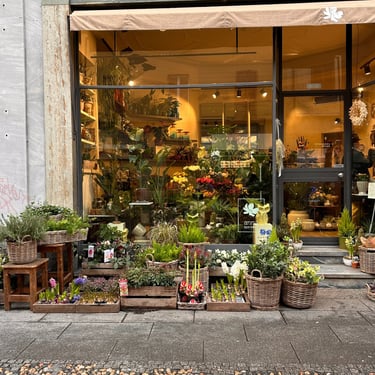
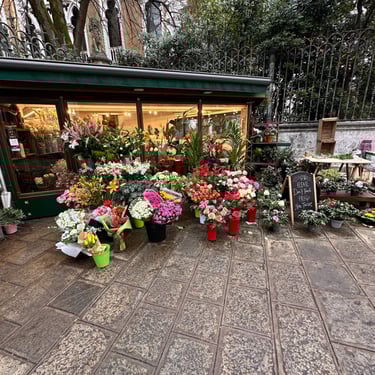
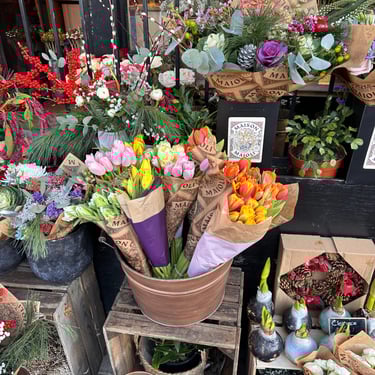
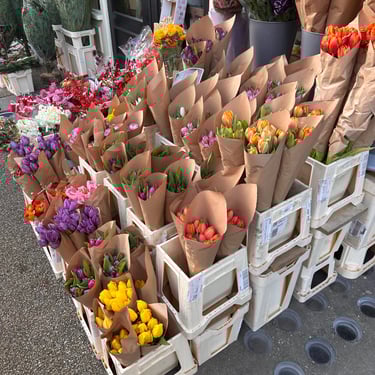
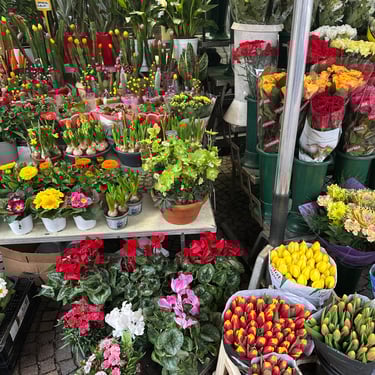
Flower markets, small shops, street displays. The way bouquets are wrapped, grouped and arranged. All of it communicates something.
There is a clear distinction between flowers treated as product and flowers presented as experience.
When done well, they invite. They create desire. They draw people in.
This is something I carry closely into my work.
A space is not only defined by what it holds, but by how it reveals itself.
Perhaps one of the most valuable lessons flowers have given me is this.
Not everything needs to be permanent to be meaningful.
Flowers exist within a short cycle. And precisely because of that, they teach us to value the moment in which they are at their peak. To notice subtle changes. To pay attention.
There is a particular kind of beauty in something we know will evolve.
And designing spaces, in many ways, is about that as well.
Creating environments that move with life. That adapt. That hold different moments without losing their essence.
Like a well composed arrangement, a good space is never about excess.
It is about sensitivity.
Knowing when to add, when to hold back and when to simply allow things to breathe.