Notting Hill, urban experience as creative process
Where the city stopped being a backdrop and became part of me
In our next conversation I might move away from London. And most likely return to it soon after. Because that is where my heart opened to many things, especially to interior design.
This story begins a few years ago. Notting Hill was where I truly lived London for the first time. Not as a visitor, but as someone learning the city through daily steps.
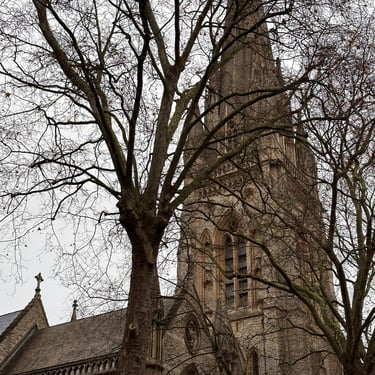
There I understood that architecture is not just about beautiful façades. It is context. It is behaviour. It is economy. It is history layered into walls.
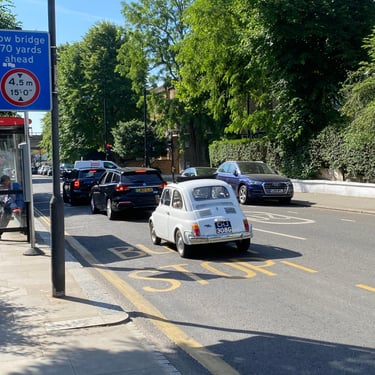
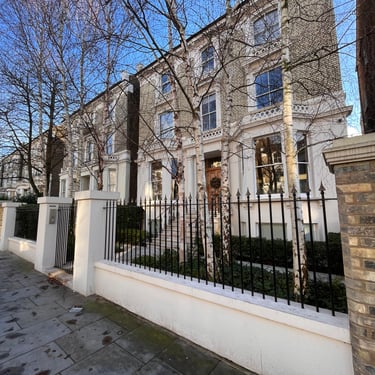
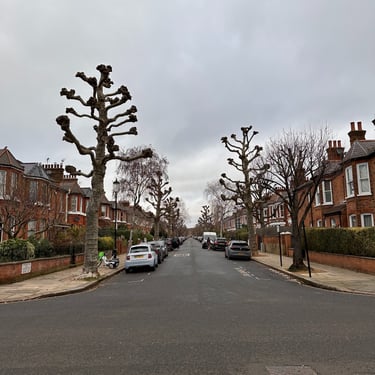
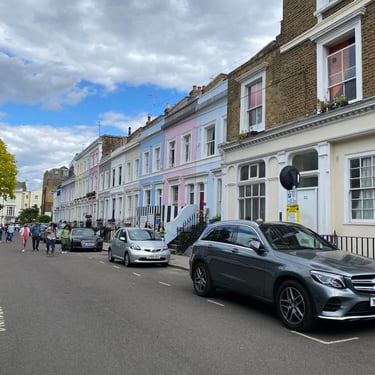
Notting Hill holds an interesting duality. On one side, the almost cinematic image of pastel Victorian houses, colourful doors and immaculate white staircases. On the other, the reality of one of the most valuable neighbourhoods in the city. Houses that were once generous single family homes are now often divided into two or three flats. Not because they lost their charm, but because of London’s property pressure and cost of living. The architecture remains elegant, yet the way of inhabiting it evolves.
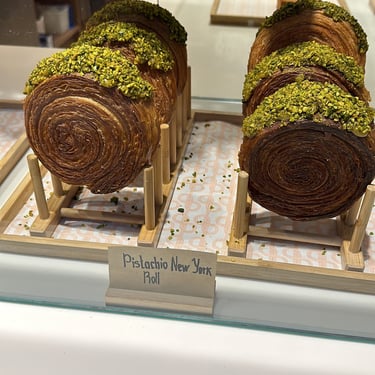
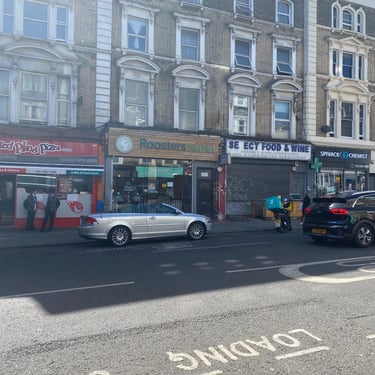
The area is sophisticated. There is evident purchasing power. Well curated cafés, organic markets, discreet galleries. Yet there is also street life. And that changes everything.
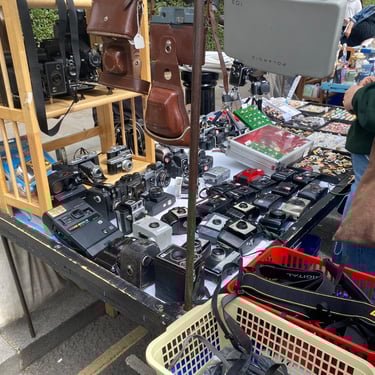
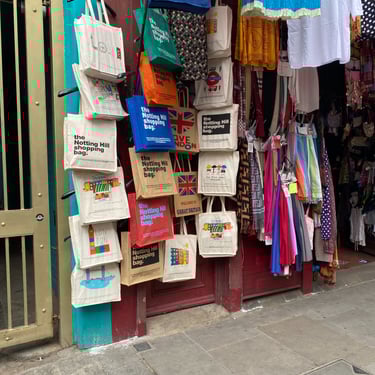
Portobello Road is the beating heart. The market is not merely a tourist attraction. It shapes the neighbourhood’s identity. That is where my interest in sourcing began. In the unique piece. In the beauty of imperfection carrying memory. Antique dealers mixed with food stalls, locals who know vendors by name, visitors chasing an image they once saw on screen. The coexistence of the authentic and the iconic.
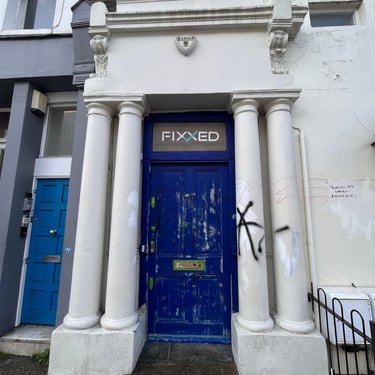
And yes, there is the famous door where everyone stops for a photograph because of the film from the 90s. The entire street carries that collective memory. It is fascinating how cinema can immortalise an address and subtly shift the way a place is experienced. That façade became a symbol while still belonging to everyday life.
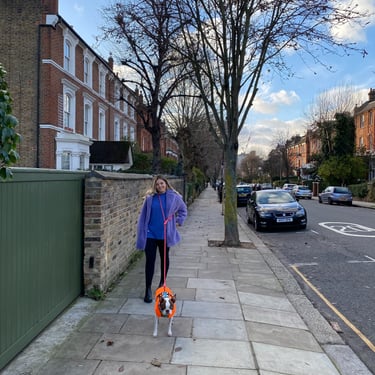
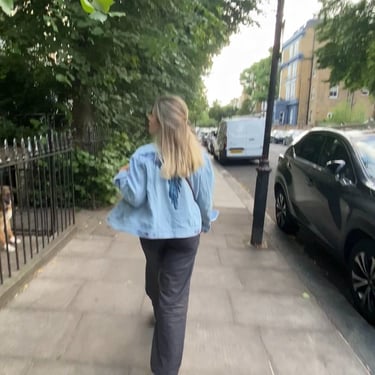
It was there that I lived my first summer in London. Where I learned the Underground, the buses, the walks to Hyde Park. Where taking Winston and Clementine out became an exercise in observing how people inhabit their neighbourhood. How they dress. How they consume. How they interact. Infrastructure shapes behaviour. Easy transport builds independence. Nearby cafés create gathering points. Human scale invites walking.
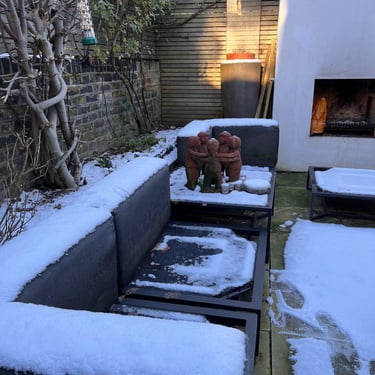
I also experienced the seasons in a very tangible way. In summer, the days are extraordinarily long, light stretches late into the evening and the city remains alive for hours. In winter, especially around Christmas, the days become short, the low light softens façades and decorations transform entire streets. My first Christmas in England was unlike anything I had known before. The city changes. Architecture becomes a stage for celebration. That awareness of space responding to time stayed with me.
Notting Hill taught me proportion. Mixed use. The importance of an active ground floor. The power of colour when it speaks to its surroundings. It showed me that tradition does not have to be rigid. That a neighbourhood can be refined and vibrant at once.
Perhaps London is my favourite place in the world because that is where I began to look with intention. And perhaps it was through living in Notting Hill that design stopped being an interest and became a calling.
It was not just an address. It was where the city shaped me as much as I learned to observe it.