Designing begins with understanding how we live
Reflections on the evolution of domestic life through London’s history
January in London does not offer easy colour. The sky sits low, light turns grey and surfaces absorb more than they reflect. It was under that atmosphere that I visited the Museum of the Home in Hoxton, in East London.
The museum occupies former eighteenth century almshouses along Kingsland Road. Originally built to house elderly residents of the community, the buildings now tell an intimate story about how domestic life has evolved. The façade is restrained and quiet. Nothing suggests spectacle. That restraint continues inside.
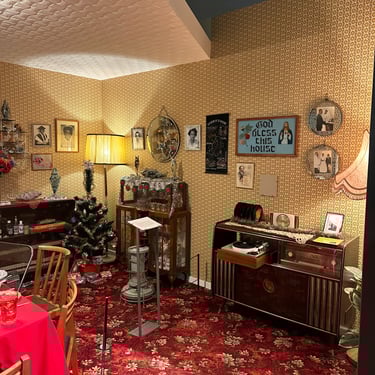
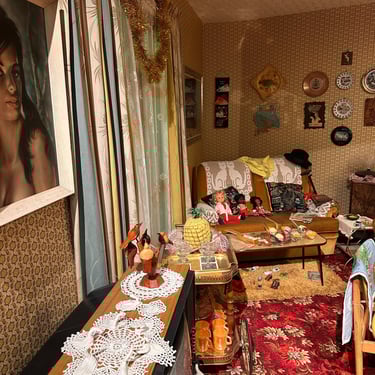
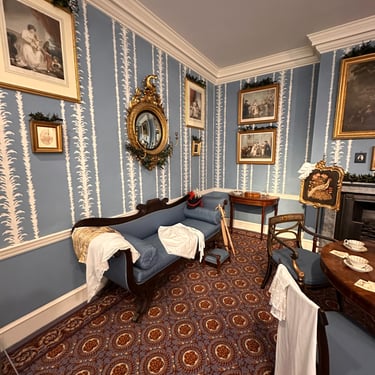
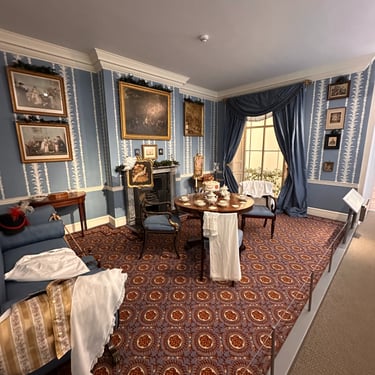
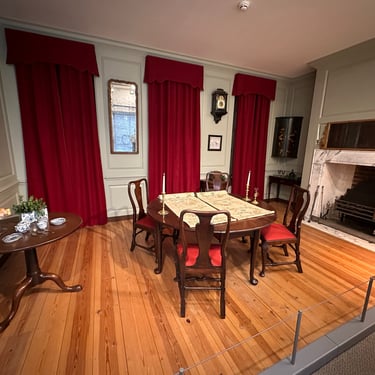
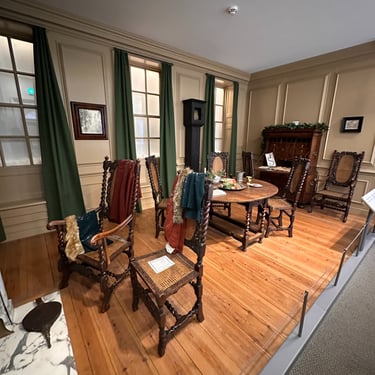
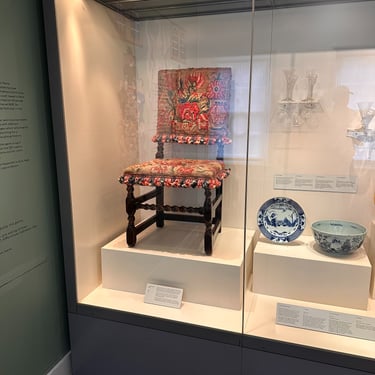
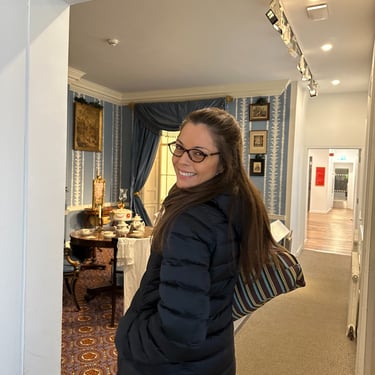
The rooms unfold chronologically. Each interior represents a different period, from the seventeenth century to recent decades. It is less about furniture and more about how people lived within their homes.
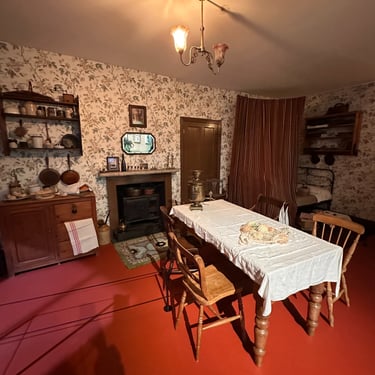
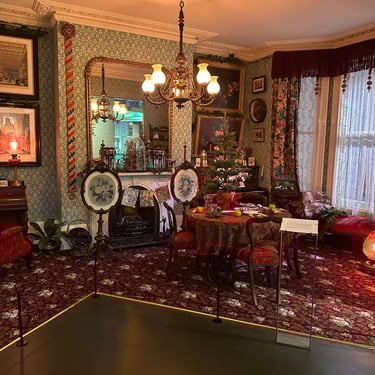
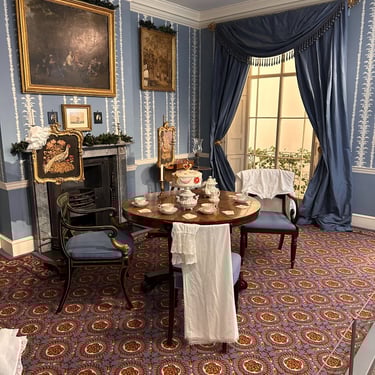
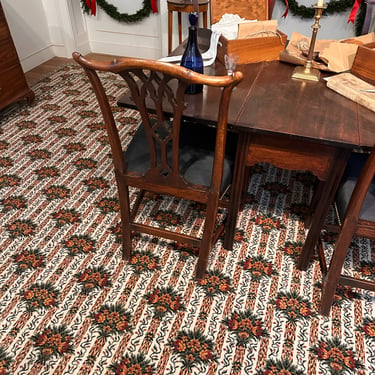
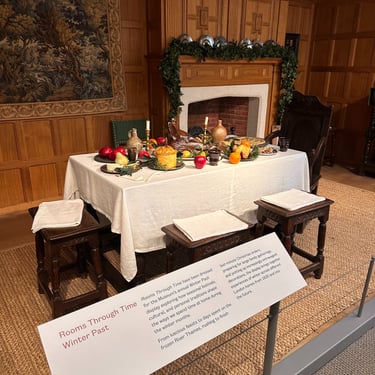
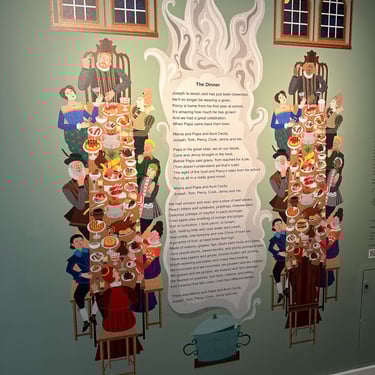
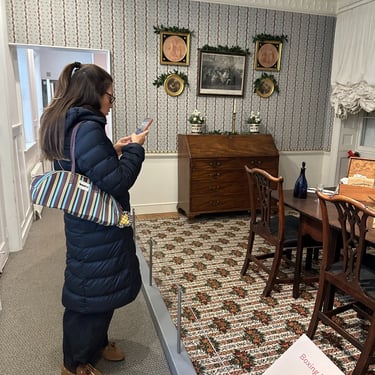
Dining rooms reveal subtle but powerful shifts. In earlier periods, the table is rigid and central. Chair placement clearly signals hierarchy. Who sits at the head, who serves, who observes. The table is not merely furniture. It is social structure.
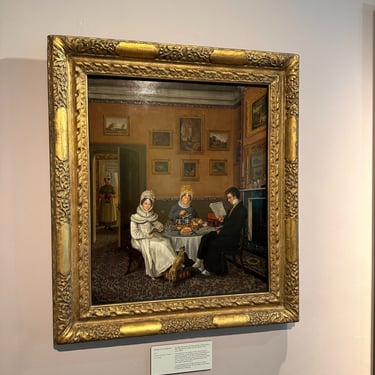
Over time, something changes. Tables become less ceremonial. Colour appears. Formality softens. Spaces begin to suggest gathering rather than protocol. Decoration mirrors behavioural evolution.
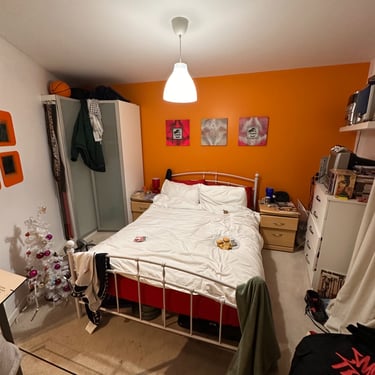
Bedrooms tell a similar story. At certain points in history, sleeping spaces were not entirely private. Gradually they become more intimate. Ideas of privacy develop. Bed size, window placement and textile choice quietly reflect those shifts.
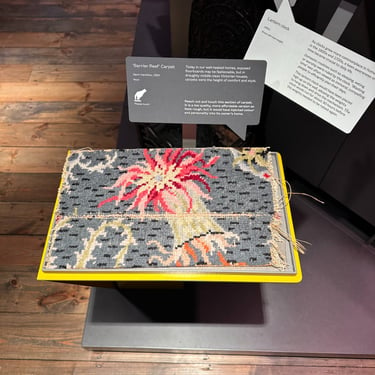
Experiencing the museum on a grey day sharpens awareness of light. Nothing is theatrically lit. Light enters laterally, gently touching darkened wood, historic wallpaper and heavier fabrics. It does not perform. It reveals texture.
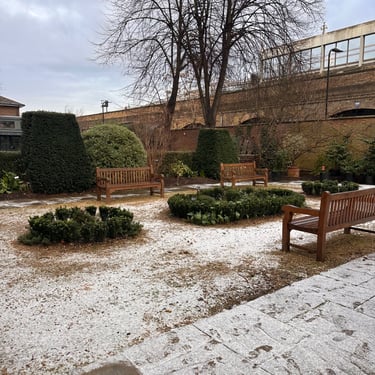
The Gardens Through Time were subdued in winter. In another season they must feel abundant. In January, structure dominates. Even without flowers, the relationship between house and landscape becomes evident.
Hoxton forms part of the London Borough of Hackney, and stepping back onto the street makes that context clear. Hackney carries a creative energy layered over its industrial past. There is still a certain roughness, but it now coexists with ateliers, independent cafés and small shops that value materiality and identity.
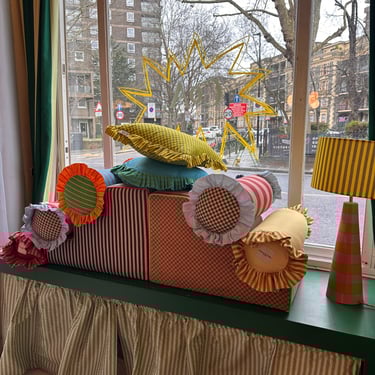
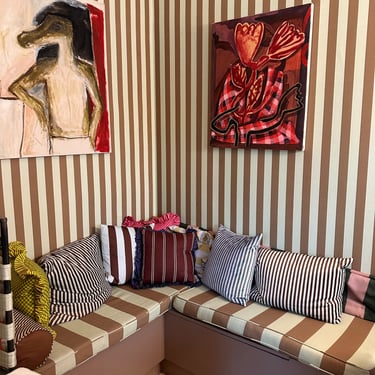
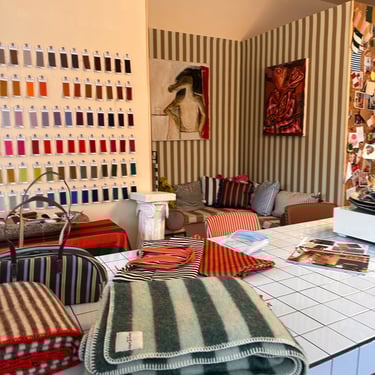
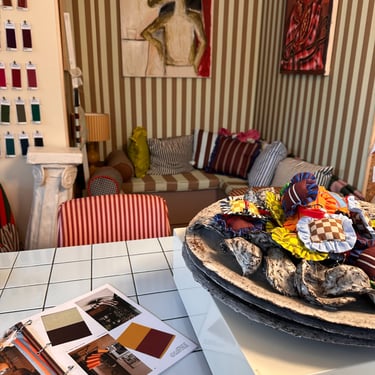
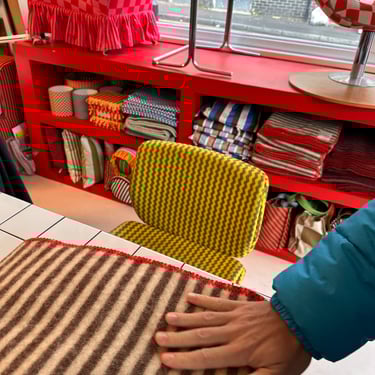
From there, walking to Colours of Arley felt natural. It is one of my favourite shops in London and is also located in the area. I am always warmly welcomed. The conversations revolve around fabric, stripes, proportion and scale. The shop is compact yet expressive. Bold colour combinations are grounded in structure and understanding.
After moving through centuries of domestic interiors at the museum, stepping into the shop feels like a continuation. The past shows how we lived. The present shows how that history can be reinterpreted.
On that grey afternoon, with diffuse light and brick façades absorbing the sky, what stayed with me was the understanding that interiors reflect behaviour. Tables change when the way we gather changes. Chairs shift when hierarchy shifts.
The home responds to time.
Recognising that changes how we design today.