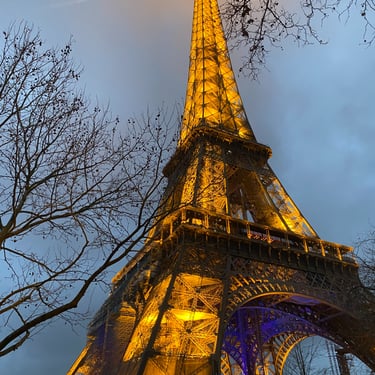
Between Glass, Gold and Time
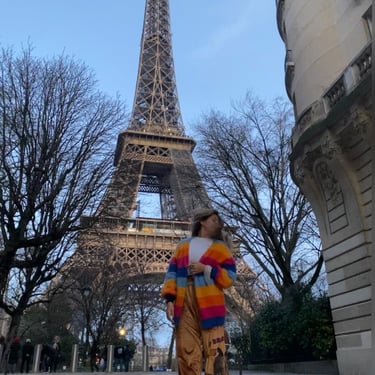
Paris taught me to look up.
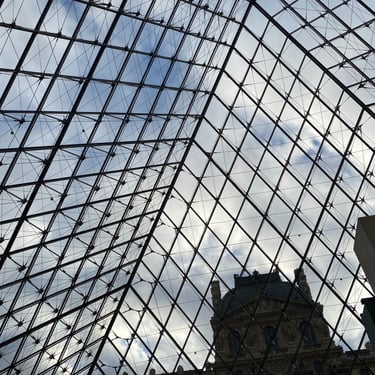
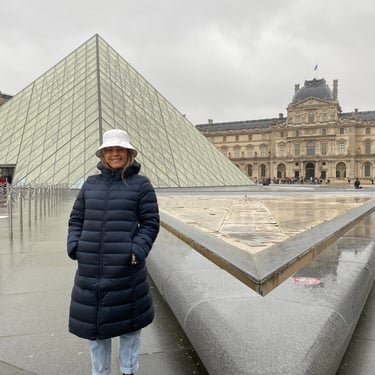
Perhaps because the sky there is never left unframed. It is held by the iron lattice of the Eiffel Tower cutting through dusk, or by the glass pyramid of the Louvre turning clouds into geometry. In Paris, glass is not merely material. It structures, aligns, creates dialogue between past and present.
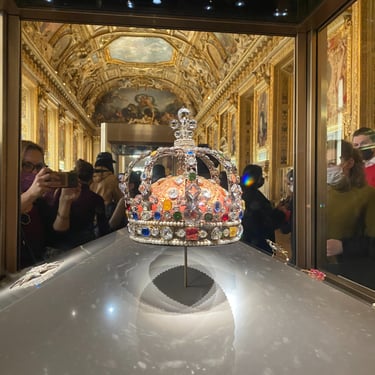
The Louvre began as a twelfth century fortress, later became a royal palace, and eventually one of the most important museums in the world. That layering of purpose already speaks of permanence. Standing before the Mona Lisa, small and restrained, you understand that impact does not depend on scale. It depends on intention. What moved me most was not only the painting, but the encounter between the classical palace and I. M. Pei’s pyramid. The glass does not compete with history. It moves through it with clarity. It respects what came before while firmly existing in the present.
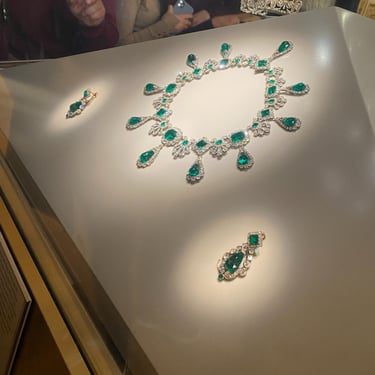
In other places, glass becomes color, brilliance, almost jewel-like. In Paris, it becomes structure. It frames the sky, guides perspective, sustains space. That distinction stayed with me and reshaped the way I think about materiality in my own work. Every element must carry meaning, not just presence.
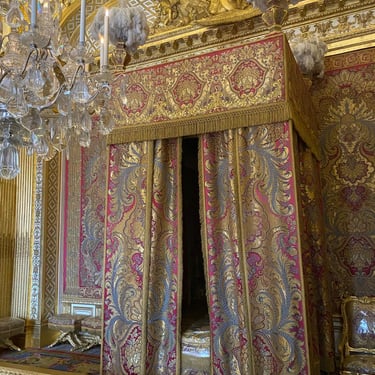
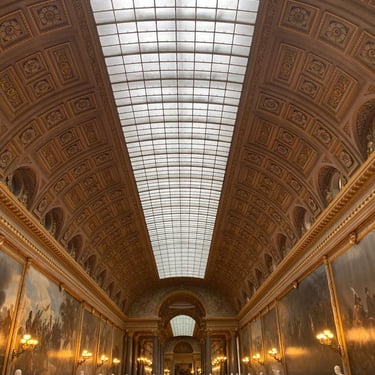
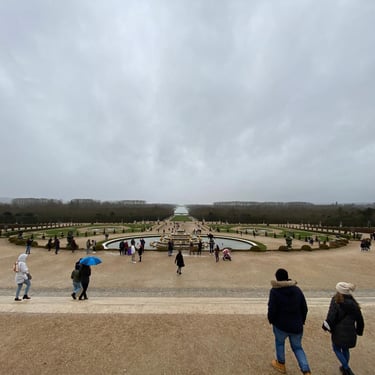
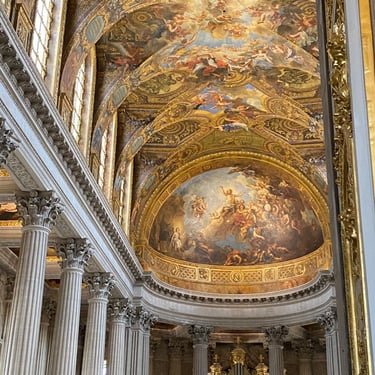
Versailles expands this reflection. Developed under Louis XIV as a symbol of absolute power, the palace embodies monumentality. The Hall of Mirrors multiplies light and gold in a calculated rhythm. Yet it is the gardens that reveal the deeper lesson. Designed by André Le Nôtre, they unfold along strict axes, deliberate alignments, perspectives that draw the eye toward the horizon. The Grand Canal is not decorative. It organizes infinity.
There I understood that grandeur is never accidental. It is designed. It requires time, precision, and commitment to vision.
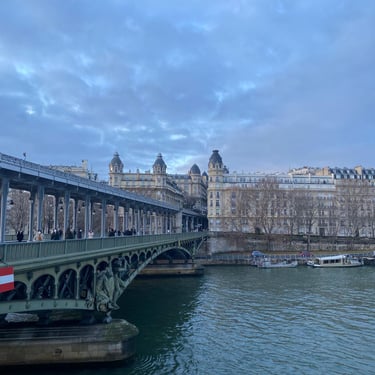
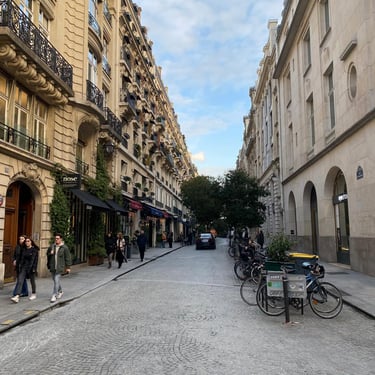
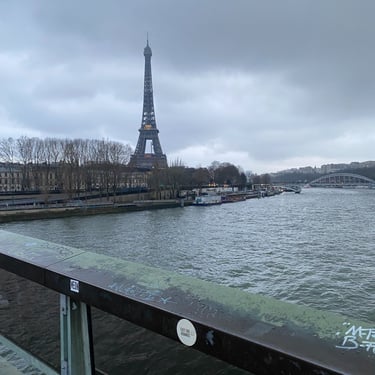
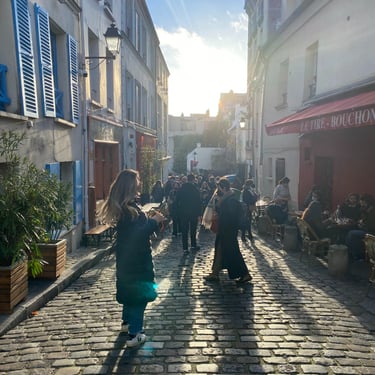
Paris also revealed something beyond architecture. A way of living that honors time itself. Time to prepare a meal with fresh ingredients. Time to walk along the Seine without urgency. Time to sit, to converse, to be present. There is an unspoken understanding that quality demands attention.
That awareness deeply shaped my creative process.
We live in a world that moves fast, where immediacy often replaces depth. Designing with soul requires the opposite. It asks for pause, for listening, for genuine exchange. Experiences like this reinforce my belief that what is created with purpose endures across generations. Context may shift, aesthetics may evolve, eras may change, but the message remains intact.
Architecture and decoration are not merely visual compositions. They directly influence the lives of those who inhabit them. They shape mood, rhythm, and a sense of belonging, often without conscious awareness. The spaces we create quietly shape us in return.
Beauty is not the absence of excess. It is intention, precisely placed.
This is where maximalism finds its truest form. Not as random accumulation, but as meaningful layering. Abundance with structure. Intensity guided by awareness. Just like Versailles, just like the Louvre, it requires design.
Paris taught me that what is conceived with depth resists time. That what is built with purpose carries its essence through centuries.
And that is what I strive to bring into every project. Not only aesthetics, but permanence. Not only impact, but meaning.